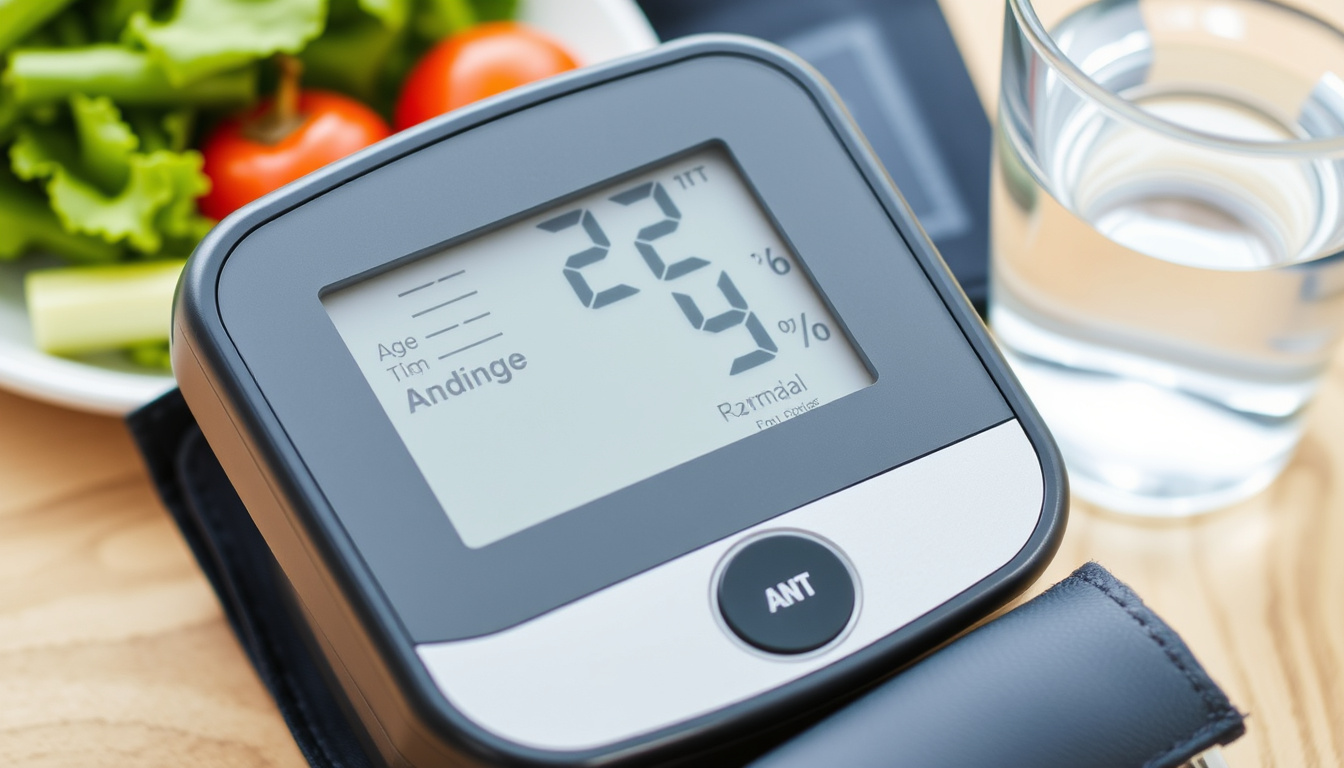
Blood pressure is one of the most important indicators of cardiovascular health, yet many people are unsure what their numbers mean. This guide explains normal blood pressure ranges by age, how to interpret systolic and diastolic readings, and what steps to take if your numbers are too high.
Understanding blood pressure is the first step toward preventing heart disease and stroke. The readings, expressed as two numbers, reflect the force of blood against artery walls. The higher number (systolic) measures pressure during heartbeats, while the lower number (diastolic) measures pressure between beats.
Current guidelines from the American Heart Association and American College of Cardiology define normal blood pressure as below 120/80 mm Hg for all adults. However, average readings tend to rise with age, and charts that account for age and gender can help put individual numbers in context.
What Is Normal Blood Pressure by Age?
The table below summarizes the five standard blood pressure categories used for adults aged 18 and older. These categories replace older age-based thresholds.
| Category | Systolic (mm Hg) | Diastolic (mm Hg) |
|---|---|---|
| Normal | < 120 | < 80 |
| Elevated | 120–129 | < 80 |
| Hypertension Stage 1 | 130–139 | 80–89 |
| Hypertension Stage 2 | ≥ 140 | ≥ 90 |
| Hypertensive Crisis | > 180 | > 120 |
What is normal blood pressure for adults?
Normal blood pressure for all adults is defined as less than 120/80 mm Hg. This is the target recommended by the American Heart Association and the American College of Cardiology, regardless of age or gender. While population averages increase slightly as people get older, the optimal target remains unchanged.
What is normal blood pressure for a woman?
Blood pressure norms for women are similar to those for men. The standard target remains below 120/80 mm Hg. However, hormonal changes during pregnancy, menopause, and use of oral contraceptives can influence readings. For example, gestational hypertension may develop during pregnancy, and after menopause the risk of elevated blood pressure increases.
Blood pressure chart by age and gender
Although the ideal target is the same for all adults, general population averages shift upward with age. The following table shows average normal readings by age group and gender, based on data from large studies.
| Age Group | Gender | Average Normal BP (mm Hg) |
|---|---|---|
| 18–39 | Female | 110/68 |
| 18–39 | Male | 119/70 |
| 40–59 | Female | 122/74 |
| 40–59 | Male | 124/77 |
| 60+ | Female | 139/68 |
| 60+ | Male | 133/69 |
Key insights to remember:
- Normal BP for all adults is <120/80 mm Hg – age does not change the target.
- Nearly half of U.S. adults have high blood pressure, according to the CDC.
- High blood pressure often has no symptoms, earning it the name “silent killer.”
- Losing just 5–10 pounds can help lower blood pressure, as noted by the NHS.
- Blood pressure naturally increases with age due to arterial stiffening, but optimal targets remain below 120/80 for most.
- The DASH diet and regular exercise can lower systolic BP by an average of 5–10 mm Hg.
| Fact | Source |
|---|---|
| Blood pressure is measured in millimeters of mercury (mm Hg). | American Heart Association |
| Nearly half of U.S. adults have high blood pressure. | CDC |
| High blood pressure often has no symptoms – it’s called the “silent killer.” | Mayo Clinic |
| Losing just 5-10 pounds can help lower BP. | NHS |
Understanding Systolic and Diastolic Blood Pressure
What does systolic blood pressure mean?
Systolic blood pressure is the top number in a reading. It measures the pressure in the arteries when the heart beats and pushes blood out. This number is typically higher than the diastolic value and tends to rise with age as arteries become stiffer.
What does diastolic blood pressure mean?
Diastolic blood pressure is the bottom number. It reflects the pressure in the arteries when the heart rests between beats. A low diastolic reading can indicate reduced coronary blood flow, while a high diastolic reading suggests elevated resistance in the blood vessels.
How to use a blood pressure chart?
Blood pressure charts plot systolic readings on one axis and diastolic readings on the other. To use one, locate your systolic number on the chart and follow it across to where it meets your diastolic number. The intersecting zone indicates your category – normal, elevated, or hypertensive. The American Heart Association provides a widely used chart online.
How does a blood pressure calculator work?
A blood pressure calculator takes your systolic and diastolic numbers and automatically assigns a category based on current guidelines. Some tools also estimate cardiovascular risk and offer personalized advice. The NHS offers an interactive tool that does exactly this.
To avoid measurement errors, sit quietly for 5 minutes before taking a reading. Keep your feet flat on the floor, back supported, and arm at heart level. Avoid caffeine, tobacco, and exercise for 30 minutes prior. Take two readings one minute apart and average them, or take a third if the first two differ significantly.
What Is High Blood Pressure and How to Lower It?
What causes high blood pressure?
Common causes include genetics, age, a diet high in sodium, lack of physical activity, obesity, and chronic stress. Secondary hypertension can result from kidney disease, thyroid problems, or certain medications. In many cases, no single cause is identified.
What are the symptoms of high blood pressure?
Most people with high blood pressure have no symptoms, which is why routine monitoring is essential. In severe cases, symptoms may include headaches, shortness of breath, nosebleeds, or vision changes. These signs typically only appear when blood pressure reaches dangerous levels.
How to lower blood pressure naturally?
Lifestyle changes are the first line of defense. The DASH diet – rich in fruits, vegetables, whole grains, and low-fat dairy – can reduce systolic BP by several points. Regular aerobic exercise (150 minutes per week), weight loss of 5–10% of body weight, limiting alcohol, and managing stress through mindfulness or yoga all contribute to lower readings.
For Stage 2 hypertension (≥140/90), medication is typically necessary alongside lifestyle changes. For Stage 1, medication may be recommended if you have had a heart attack or stroke, or if your 10-year cardiovascular risk exceeds 10%. Your doctor can calculate this risk and help decide the best course.
How to Monitor Blood Pressure at Home with the NHS Tool
What is the NHS blood pressure reading tool?
The NHS Check Your Blood Pressure tool is an interactive online resource. Users enter their systolic and diastolic numbers and immediately see their blood pressure category along with recommended next steps. It is designed to help people interpret their own readings without needing a medical background.
How to use a blood pressure monitor at home?
Choose a validated upper-arm monitor with an appropriately sized cuff. Measure at the same time each day – morning before eating or medication is a common choice. Apply the cuff to a bare arm at heart level, press start, and remain still and silent. Record the reading along with the time of day. For more information on blood pressure, you can consult feber normalvärden.
What is a normal blood pressure reading for a woman using a home monitor?
The same target applies: below 120/80 mm Hg. However, home readings are often slightly lower than those taken in a clinic due to the absence of “white coat” anxiety. Your doctor can provide a personalized target based on your overall health.
White coat hypertension – when blood pressure is elevated in a medical setting but normal at home – is common. The opposite, masked hypertension, occurs when readings are normal in clinic but high elsewhere. Home monitoring helps detect both conditions, ensuring treatment decisions are based on accurate data.
Timeline of Blood Pressure Changes with Age
- Childhood: Blood pressure gradually rises from low levels at birth. Normal ranges are based on height percentiles and age; there is no fixed “normal” value for all children.
- 20s–30s: Optimal BP is below 120/80 mm Hg. Lifestyle factors such as diet, exercise, and stress begin to influence readings. Most people maintain healthy levels during these decades.
- 40s–50s: Systolic pressure tends to rise steadily. The risk of developing hypertension increases, especially with poor diet, weight gain, or chronic stress. Regular monitoring becomes increasingly important.
- 60+: Systolic pressure often continues to climb while diastolic may stabilize or even drop. The clinical target for most older adults remains below 140/90, with some guidelines recommending <130/80 if tolerated.
Certainty vs. Uncertainty in Blood Pressure Measurement
| Established Information | Information That Remains Unclear |
|---|---|
| Target BP categories are evidence-based and widely accepted by major health organizations. | Individual BP can vary due to time of day, stress, caffeine, and measurement technique. |
| Systolic and diastolic readings have defined physiological meanings. | The exact threshold for “normal” in very elderly or specific populations is debated. |
| Hypertension is a major risk factor for heart disease and stroke. | White coat hypertension (elevated in clinic) may not require medication if home readings are normal. |
| Lifestyle changes can lower BP reliably. | Optimal BP for people with diabetes or kidney disease may be lower than general thresholds. |
Why Blood Pressure Knowledge Matters
Blood pressure is a high-volume informational need because it affects a large portion of the population. Many people search for quick, reliable answers about normal ranges and how to interpret their own numbers. While major medical sites such as the Mayo Clinic and Cleveland Clinic provide strong clinical explanations, they often lack age- and gender-specific charts and interactive tools. This guide fills those gaps by combining a detailed chart with practical monitoring advice.
The guidelines referenced here are current as of 2024–2025, including the 2017 ACC/AHA recommendations that lowered the threshold for hypertension. Keeping up with these updates is essential because treatment decisions depend on accurate categorization.
What the Experts Say
“A normal blood pressure reading for most adults is below 120/80 mm Hg.”
– Cleveland Clinic, June 2025
“Systolic blood pressure is the pressure your blood is pushing against your artery walls when the heart beats, while diastolic is the pressure when the heart rests between beats.”
– American Heart Association
“High blood pressure or hypertension is when your blood pressure is higher than the recommended level and can increase your chances of a heart attack or stroke.”
– British Heart Foundation
What to Do Next
If your reading is above 130/80, consult your healthcare provider for a personalized plan. Track your BP at home for a week and share the log with your doctor. Consider using the NHS Check Your Blood Pressure tool for immediate results. Adopt lifestyle changes: reduce salt, exercise 150 minutes per week, and maintain a healthy weight. For more health information, read about Dr Amir Khan – Biography, Books, Age, and NHS Career for expert perspective. You can also explore Conjoined Twins – Facts, Types, and What You Need to Know for another medical topic.
Frequently Asked Questions
Is 130/80 a normal blood pressure?
130/80 is considered Stage 1 hypertension by ACC/AHA guidelines. It indicates elevated risk and may require lifestyle changes or medication depending on other factors.
What is a good blood pressure for a 70-year-old woman?
For most healthy older adults, the target is below 140/90. Some guidelines suggest <130/80 if tolerated. Consult a doctor for individualized goals.
Can stress cause high blood pressure?
Yes, acute stress can temporarily raise BP. Chronic stress may contribute to long-term hypertension, but stress alone is rarely the sole cause.
How accurate are home blood pressure monitors?
When used correctly with a validated device and proper cuff size, home monitors are accurate within ±5 mm Hg. Ensure regular calibration.
What is the difference between systolic and diastolic pressure?
Systolic (top) is pressure during heart contraction; diastolic (bottom) is pressure during heart relaxation.
What does a blood pressure of 140/90 mean?
140/90 is Stage 2 hypertension. It indicates high pressure on arteries and usually requires medication plus lifestyle changes.
Related stories




Grace Hollis is Film & Music Editor at StoryNative.uk, covering film releases, music news, soundtracks and awards season.