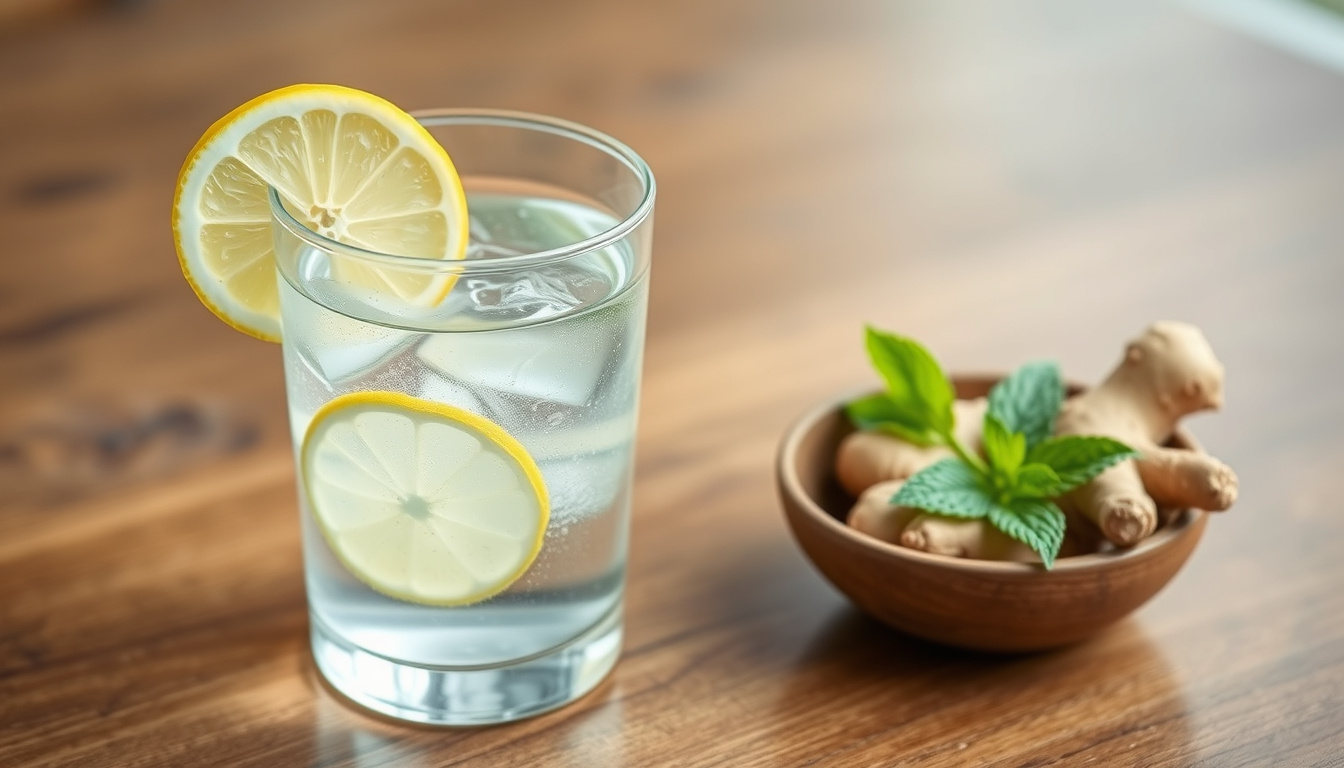

A swollen, tight belly after a meal or at the end of the day is a familiar discomfort for many. Bloating is usually caused by excess gas, constipation, food intolerances, eating too fast, certain foods and drinks, stress, or gut conditions such as IBS. Most cases can be managed with diet and over-the-counter remedies, but severe or persistent bloating with stomach pain can signal a condition that needs medical evaluation.
Understanding how to stop bloating starts with knowing what triggers it and which relief methods actually work. From quick natural fixes to long-term prevention, the right approach depends on the underlying cause. This guide walks through the most effective remedies, the evidence behind them, and when it’s wise to see a doctor.
What relieves bloating fast?
Several approaches can provide quick relief. The most effective immediate measures combine physical activity, targeted supplements, and avoiding common aggravators.
- Bloating is very common and usually not serious; it often results from diet and lifestyle factors.
- Immediate relief is possible with simple physical measures (movement, massage) and over-the-counter gas relievers.
- Consistent hydration and regular exercise are the most effective long-term prevention strategies.
- Female hormonal bloating is distinct and may require tailored approaches like reducing salt around menstruation.
- Severe distension (feeling like you look pregnant) can indicate underlying issues like SIBO or fluid retention; medical evaluation is warranted.
- Supplements like probiotics and digestive enzymes show mixed evidence; consult a professional before starting.
| Fact | Detail |
|---|---|
| Definition | Subjective feeling of abdominal pressure or fullness, often with visible distension. |
| Prevalence | Nearly 1 in 5 healthy people experience bloating regularly; up to 90% in IBS patients. |
| Common Causes | Gas (swallowed air, fermentation), fluid retention, constipation, visceral hypersensitivity, food intolerances. |
| Fastest Relief | Walking, peppermint tea, simethicone (e.g., Gas-X), abdominal massage. |
| Prevention Basics | Eat slowly, avoid carbonation, stay hydrated, exercise, reduce salt, increase soluble fiber gradually. |
| When Urgent | Accompanied by severe pain, fever, vomiting, bloody stools, rapid weight loss, or jaundice. |
How to stop bloating after eating?
Post-meal bloating often stems from eating too quickly, swallowing air, or consuming foods that produce gas. Slowing down and making small adjustments can make a big difference.
Immediate steps after a meal
A gentle walk of 10–15 minutes helps move gas through the digestive tract. Drinking warm water or peppermint tea can relax the gut muscles. Avoid lying down immediately after eating, as that can trap gas. According to the Hopkins Medicine guide, eating slowly and taking smaller bites prevents excess air from entering the stomach.
Try performing an abdominal massage in a clockwise direction (right to left) for 5 minutes after eating. This mimics the natural movement of the colon and can help release trapped gas. Sources from Medical News Today note that some people find this technique helpful for short-term relief.
Longer-term adjustments
Identifying specific food triggers is key. Keeping a food diary to track what you eat and when bloating occurs can reveal patterns. The Healthdirect Australia resource advises limiting carbonated drinks, chewing gum, and using straws, all of which increase swallowed air. For those with lactose intolerance, digestive enzymes or lactose-free alternatives may prevent bloating.
What causes bloating?
Bloating has many possible causes, ranging from simple lifestyle factors to underlying medical conditions. Understanding the root cause guides the most effective treatment.
Diet and swallowed air
Eating too fast, drinking fizzy drinks, chewing gum, or using straws can increase gas in the digestive system. According to GoodRx, these habits introduce extra air that accumulates in the stomach and intestines.
Constipation
Constipation is a very common cause of gas, cramping, and bloating. The Cleveland Clinic notes that when stool builds up in the colon, it can block the passage of gas and cause distension.
Food intolerances and sensitivities
Lactose intolerance, gluten intolerance, and other food sensitivities can trigger bloating. Healthdirect Australia points out that undigested food ferments in the gut, producing gas. A low FODMAP diet is one targeted intervention that has been shown to reduce bloating in people with IBS.
Functional gut disorders
IBS and functional dyspepsia commonly cause recurrent bloating and abdominal pain. The Cleveland Clinic includes these among the leading conditions associated with chronic bloating. Other medical causes such as liver disease, inflammatory bowel disease, heart failure, kidney problems, and even some cancers can also present with bloating, as described by Medical News Today. For related self-care information, see Sore Throat When Swallowing – Fast Relief and Self-Care.
Nearly 1 in 5 healthy people experience bloating regularly, and up to 90% of people with IBS report bloating as a symptom. However, bloating alone is rarely a sign of a serious condition. It’s the combination of other symptoms that raises concern.
Why am I so bloated I look pregnant?
Severe abdominal distension that makes you look several months pregnant can be alarming. This degree of bloating often has specific causes that go beyond ordinary gas.
Common causes of severe distension
Conditions such as small intestinal bacterial overgrowth (SIBO), IBS, fluid retention (ascites), and ovarian issues can produce significant swelling. The Johns Hopkins Medicine resource explains that in women, bloating and abdominal pain can sometimes come from uterus, ovary, or fallopian tube problems rather than the digestive system alone.
Female-specific bloating remedies
Hormonal bloating linked to the menstrual cycle or menopause may respond to reducing salt intake, staying hydrated, light exercise, peppermint tea, and wearing loose clothing. Magnesium supplements may help PMS-related bloating, but evidence is mixed. If digestive causes are ruled out, a gynecologist evaluation may be appropriate, according to Johns Hopkins Medicine.
If severe bloating is accompanied by extreme, debilitating, or sudden severe stomach pain; blood in vomit or stool; inability to pass gas or stool; persistent vomiting; or signs of dehydration, seek urgent medical attention. This advice is reinforced by Healthline and WebMD.
How quickly can bloating be relieved?
The speed of relief depends on the cause and the method used. The following timeline outlines typical phases from immediate action to ongoing prevention.
- 0–1 hour: Gentle walk, drink warm water or peppermint tea, perform abdominal massage (right to left).
- 1–4 hours: If gas persists, take OTC simethicone (follow label). Avoid lying down flat.
- 4–12 hours: Eat lightly (e.g., small portions of ginger, fennel), avoid carbonated drinks and gas-producing foods.
- Next day: Review recent meals; identify triggers (e.g., high sodium, beans, dairy). Increase fiber gradually and water intake.
- Ongoing: Incorporate daily exercise, stress reduction, regular meals, and consider a food diary. Consult a doctor if recurrent.
What is known for sure about bloating and what remains unclear?
| Established information | Information that remains unclear |
|---|---|
| Exercise and hydration are proven to reduce bloating in most people. | Effectiveness of specific probiotic strains for bloating varies per individual and condition. |
| Overeating and swallowing air are common acute causes. | Digestive enzymes help only if the underlying issue is a deficiency. |
| Simethicone can help gas-related bloating but not fluid retention. | Hormonal bloating mechanisms are not fully understood; treatments are based on symptom management. |
| Low FODMAP diet reduces bloating in IBS patients. | The exact prevalence of bloating from SIBO is debated; testing methods have limitations. |
Why does bloating happen and what does it mean?
Bloating is a multifactorial symptom that spans from benign overeating to indicators of chronic conditions like IBS, SIBO, celiac disease, or ovarian cancer (rare). The top health authority resources focus heavily on lifestyle changes such as exercise, water, and fiber, but often leave a gap in fast-acting pharmaceutical and natural remedies that many users seek.
User queries like Why am I so bloated I look pregnant indicate a need for clear differentiation between normal distension and pathological causes. Female-specific bloating (menstrual, menopause) is underrepresented in generic advice. Content that balances evidence-based advice with practical step-by-step guides including when to self-treat vs. seek medical help offers the most value.
What do health authorities say about bloating?
Exercise regularly to improve your digestion and help prevent bloating – exercise can also help when you’re feeling bloated.
NHS (nhs.uk)
Drink enough water: this will encourage movement along your digestive tract.
Cleveland Clinic (my.clevelandclinic.org)
Try these six simple lifestyle and dietary changes that can help you reduce the risk of bloating. 1. Get moving.
UCLA Health (uclahealth.org)
How to stop bloating: key takeaways
Most bloating is temporary and manageable with simple adjustments: eat slowly, stay hydrated, move regularly, and identify personal triggers. For chronic or severe bloating, especially when accompanied by other symptoms, medical evaluation is important. For related self-care information, see Low Blood Pressure Causes – Symptoms, Dangerous Levels and Treatment.
Frequently asked questions about bloating
How to relieve stomach pain and bloating?
For pain plus bloating, start with gentle movement, a warm compress, and OTC pain relief if needed (acetaminophen preferred over NSAIDs). Avoid fatty or spicy foods. If pain is severe or persists, seek medical attention.
Female bloated stomach remedies
Women often experience hormone-related bloating. Remedies include reducing salt, staying hydrated, light exercise, peppermint tea, and wearing loose clothing. Magnesium supplements may help PMS-related bloating, but consult a doctor first.
How to stop bloating supplements
Common supplements include probiotics (Lactobacillus and Bifidobacterium strains), digestive enzymes (e.g., Beano for beans), and peppermint oil capsules. Evidence varies; start with a single supplement and track symptoms. Consult a healthcare professional before starting.
How to stop bloating Tablets
Over-the-counter tablets for bloating include simethicone (Gas-X, Mylanta Gas) for gas relief, activated charcoal (limited evidence), and antacids if heartburn is present. Prescription options (e.g., rifaximin for SIBO) require a doctor’s evaluation.
When should you see a doctor for bloating?
See a doctor if bloating lasts more than a week, keeps coming back, or does not improve with home care. Seek urgent care if accompanied by severe pain, vomiting, fever, blood in stool, or weight loss.
Related stories





Adam Pryor is Managing Editor at StoryNative.uk, running the daily news list, the publishing schedule and newsroom workflow.