
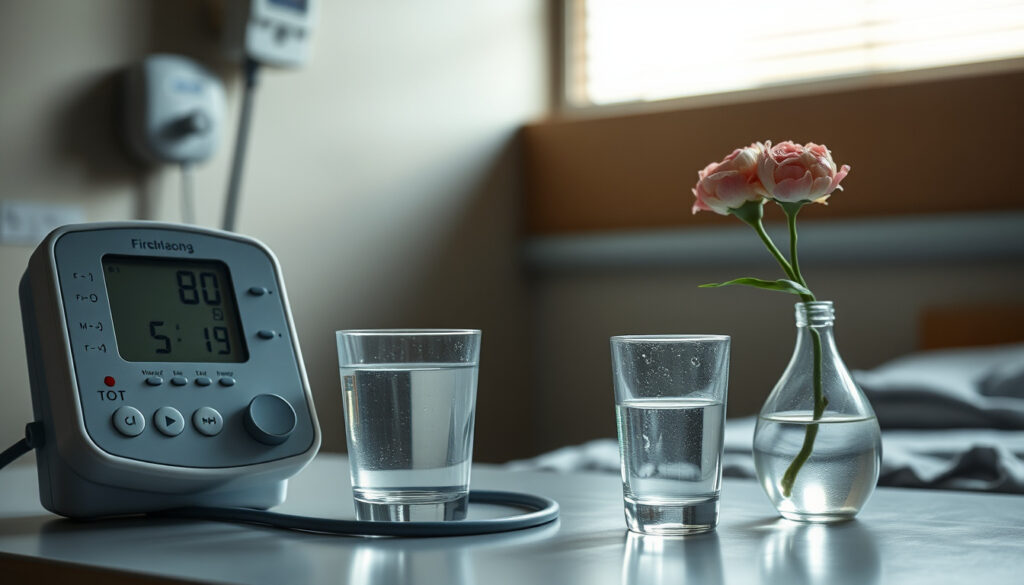
Low blood pressure, known medically as hypotension, is often defined as a reading below 90/60 mm Hg. While some people live without symptoms at these levels, for others it signals an underlying problem or a medical emergency. Understanding what causes blood pressure to drop, when it becomes dangerous, and how to respond can help protect long-term health.
Hypotension affects people of all ages, but its implications differ. A sudden dip may reflect dehydration or a serious infection, while chronic low readings can be harmless or point to conditions like heart disease or hormonal imbalances. This article breaks down the causes, symptoms, and thresholds that matter most.
What Is Considered Dangerously Low Blood Pressure?
Readings below 90/60 mm Hg are generally considered low; dangerous levels may be lower (e.g., 80/50 or below) or vary by individual. Women and men may have different risk thresholds due to physiology.
Dehydration, pregnancy, heart conditions, endocrine disorders (e.g., Addison’s disease), medications (diuretics, beta-blockers), severe infections, and blood loss.
Dizziness, fainting (syncope), blurred vision, nausea, fatigue, lack of concentration, cold/clammy skin. In females, symptoms may be more pronounced during menstrual cycle or pregnancy.
Increase fluid/salt intake (if no contraindication), wear compression stockings, avoid standing up quickly. Seek emergency care if fainting, chest pain, or shock symptoms occur.
- Low blood pressure (hypotension) is defined as a reading below 90/60 mm Hg, but not everyone with this reading needs treatment.
- The ‘dangerous’ threshold depends on symptoms and underlying health; a sudden drop can be more alarming than a chronic low reading.
- Causes range from benign (overhydration, pregnancy) to serious (heart disease, internal bleeding, severe infection).
- Symptoms like fainting and blurred vision are the main reasons to seek medical evaluation.
- Age is a factor: normal BP rises with age, so low BP in older adults may indicate autonomic dysfunction or medication effects.
- Women are more likely to experience hypotension due to pregnancy, hormonal changes, and higher prevalence of certain conditions like POTS.
| Factor | Detail |
|---|---|
| Definition | Blood pressure below 90/60 mm Hg |
| Medical Term | Hypotension |
| Common Causes | Dehydration, pregnancy, heart issues, endocrine disorders, medications |
| Key Symptoms | Dizziness, fainting, fatigue, nausea, blurred vision |
| Dangerous Threshold (General) | Readings below 80/50 mm Hg may be dangerous, especially with symptoms |
| Dangerous Threshold (Women) | May be slightly lower due to hormonal factors; consult guidelines |
| When to Seek Emergency | Fainting, confusion, chest pain, shock, shortness of breath |
| Treatment Options | Lifestyle changes (fluids, salt), compression stockings, medications like fludrocortisone |
General Threshold for Danger
Medical consensus defines low blood pressure as a reading below 90/60 mm Hg. However, danger depends on how the body responds. A sudden drop of just 20 mm Hg can cause dizziness or fainting, even if the final number is not extremely low. For example, a fall from 110 to 90 mm Hg may trigger symptoms.
Dangerous Levels for Women vs. Men
For women, low blood pressure is generally below 90/60 mm Hg and becomes dangerous when it causes symptoms of poor blood flow, readings fall near or below 70/40 mm Hg, or red-flag symptoms appear such as fainting, chest pain, severe shortness of breath, confusion, or shock signs. Men follow the same general thresholds, though risk increases with age and medication use. The exact dangerous level varies by individual health status and comorbidities.
When to Worry About a Single Low Reading
A single low reading does not always indicate chronic hypotension. If it occurs without symptoms, it may be a temporary fluctuation. But if accompanied by dizziness, confusion, or chest pain, it warrants immediate medical attention.
A sudden drop of just 20 mm Hg can cause dizziness or fainting, even if the final reading is not extremely low. This is why context and symptoms matter more than the number alone.
What Causes Low Blood Pressure?
Common Causes (Dehydration, Medications, Heart Conditions)
Dehydration is one of the most frequent and reversible causes. Vomiting, diarrhea, heavy sweating, or inadequate fluid intake reduce blood volume and lower pressure. Many medications can also induce hypotension, including diuretics, alpha-blockers, beta-blockers, tricyclic antidepressants, and erectile dysfunction drugs combined with nitroglycerin. Heart problems such as bradycardia, heart valve disease, heart attack, and heart failure impair the heart’s ability to pump blood effectively.
Causes Specific to Women (Pregnancy, Hormonal Changes)
Pregnancy commonly lowers blood pressure, especially during the first 24 weeks, as the circulatory system expands. Hormonal changes throughout the menstrual cycle can also cause fluctuations. Conditions like postural orthostatic tachycardia syndrome (POTS), which is more prevalent in women, frequently involve hypotension.
Age-Related Causes and Underlying Conditions
Older adults are more prone to blood pressure drops when standing or after eating, often due to autonomic dysfunction or medications. Chronic diseases such as Parkinson’s disease, diabetes (diabetic neuropathy), and adrenal insufficiency are established contributors. In younger adults and children, neurally mediated hypotension is more common.
Deficiencies in vitamin B-12, folate, and iron can lead to anemia, which reduces oxygen delivery and can cause or worsen low blood pressure. For more on this, see Low Folic Acid Symptoms Female – Key Signs and Causes for Women.
What Are the Symptoms of Low Blood Pressure?
Common Symptoms (Dizziness, Fainting, Fatigue)
The most reported symptoms include dizziness or lightheadedness, fainting (syncope), blurred vision, nausea, fatigue, difficulty concentrating, headache, and heart palpitations. Some people also experience neck or back pain.
Symptoms in Women: What to Watch For
Women may experience more pronounced symptoms during menstruation or pregnancy due to hormonal shifts. However, the same core symptoms apply. It is unclear whether symptoms in females are systematically underreported or attributed to other cycles.
When Symptoms Signal an Emergency
Severe warning signs that require emergency care include confusion, chest pain, severe shortness of breath, cold and clammy skin, rapid shallow breathing, weak rapid pulse, loss of consciousness, and any signs of shock. If you or someone else experiences these, seek immediate medical help.
Confusion, chest pain, severe shortness of breath, cold clammy skin, rapid shallow breathing, weak rapid pulse, loss of consciousness, and signs of shock require immediate emergency care.
What Should You Do If Your Blood Pressure Is Too Low?
Immediate Self-Care Steps (Hydration, Salt, Compression)
If you experience mild symptoms, increase fluid intake (water or electrolyte drinks) unless contraindicated. Adding extra salt to meals can help raise blood pressure in some individuals, but only if approved by a doctor. Wearing compression stockings improves blood flow in the legs. Rise slowly from sitting or lying positions, avoid prolonged standing, eat smaller and more frequent meals, and limit alcohol.
When to See a Doctor
Consult a healthcare provider if symptoms like frequent dizziness, fainting, or fatigue interfere with daily life, if low readings persist, or if you have an underlying condition such as diabetes or heart disease. A doctor can review medications and order tests to identify the root cause.
Medical Treatments for Chronic Hypotension
Treatment focuses on the underlying cause. If medications are responsible, the doctor may adjust the dose or switch drugs. Prescription drugs such as fludrocortisone can raise blood volume and pressure. Addressing conditions like Addison’s disease, thyroid disorders, or heart disease is also essential.
How Does Low Blood Pressure Vary by Age?
Normal Blood Pressure Ranges by Age
Normal blood pressure tends to rise with age. For children, lower readings are typical and often harmless. In adults, the standard threshold for hypotension remains below 90/60 mm Hg across all ages, but what is normal for a young adult may be considered low for an older person.
Low Blood Pressure in Older Adults
Adults over 65 are more prone to orthostatic hypotension (a drop upon standing) and postprandial hypotension (a drop after eating). This is often due to age-related changes in the autonomic nervous system and the use of multiple medications. Falls caused by fainting are a significant risk in this group.
Low Blood Pressure in Children and Teens
Children and younger adults are more susceptible to neurally mediated hypotension, where standing triggers a sudden drop. This is usually not dangerous but can cause fainting. Growth-related changes and activity levels also influence readings.
What Is Clear and What Remains Uncertain About Low Blood Pressure?
Established Information
- Medical consensus defines low blood pressure as <90/60 mm Hg.
- Dehydration is a well-established cause of temporary hypotension.
- Pregnancy often leads to lower blood pressure, especially in the first 24 weeks.
- Certain medications (e.g., diuretics, alpha-blockers) can cause hypotension.
Information That Remains Unclear
- The exact ‘dangerous’ threshold varies by individual, age, and comorbidities.
- It is not always clear whether a single low reading indicates chronic hypotension.
- The relationship between low BP and long-term health outcomes is less studied than high BP.
- Symptoms of low BP in females may be underreported or attributed to hormonal cycles.
Why Understanding the Causes of Low Blood Pressure Matters
Identifying the root cause of hypotension guides treatment. A person with dehydration needs fluids; someone with a heart condition needs cardiac care. Orthostatic hypotension, where blood pressure drops upon standing, is a common subtype that often responds to lifestyle adjustments. Low blood pressure can also be a side effect of high blood pressure treatment, an indicator of adrenal insufficiency, or a sign of internal bleeding. While high blood pressure receives more public health attention, low blood pressure can significantly impair quality of life and requires proper management. Swollen lymph nodes may sometimes accompany infections that cause hypotension – for more on that symptom, see Swollen Lymph Nodes Armpit – Causes Symptoms and When to Worry.
What Do Medical Authorities Say About Low Blood Pressure?
“Low blood pressure is a reading below 90/60 mm Hg. Many issues can cause low blood pressure. Treatment varies depending on what’s causing it.”
– Cleveland Clinic, Low Blood Pressure (Hypotension) – Causes & Symptoms
“Causes of low blood pressure include pregnancy, heart and heart valve conditions, hormone-related diseases, and certain medications.”
– Mayo Clinic, Low Blood Pressure (hypotension) – Symptoms and causes
“Getting older; some people develop low blood pressure as they get older. Medicines including some heart medicines can also cause low blood pressure.”
– British Heart Foundation, Low Blood Pressure
“Causes of low blood pressure include being pregnant, some medical conditions such as diabetes, and some medicines.”
Key Takeaways on Low Blood Pressure Causes and Treatment
Low blood pressure has many possible causes, ranging from simple dehydration to serious heart or endocrine conditions. Understanding whether a low reading is dangerous depends on symptoms, speed of onset, and individual health. Lifestyle measures like hydration and salt intake can help, but persistent or severe symptoms require medical evaluation. For a broader perspective on blood pressure, the American Heart Association offers additional resources.
Frequently Asked Questions About Low Blood Pressure
Can low blood pressure be dangerous even without symptoms?
Yes, extremely low blood pressure can reduce blood flow to vital organs even if you don’t feel symptoms. This is more common in acute situations like internal bleeding or severe infection. Chronic asymptomatic low BP is usually not dangerous but should be monitored.
Is low blood pressure more common in women?
Yes, statistics show that women are more likely to have low blood pressure than men, partly due to hormonal differences, higher rates of conditions like POTS, and pregnancy. However, many women with low BP have no symptoms.
Can dehydration cause low blood pressure?
Absolutely. Dehydration reduces blood volume, which can cause a drop in blood pressure. This is one of the most common reversible causes of hypotension.
What is the difference between hypotension and shock?
Hypotension is simply low blood pressure. Shock is a life-threatening condition where low blood pressure leads to inadequate blood flow to organs, causing symptoms like confusion, rapid heart rate, and cold skin. Shock requires immediate emergency treatment.
Related stories





Isabelle Knight is TV & Streaming Editor at StoryNative.uk, covering television, streaming platforms, broadcast schedules and platform news.