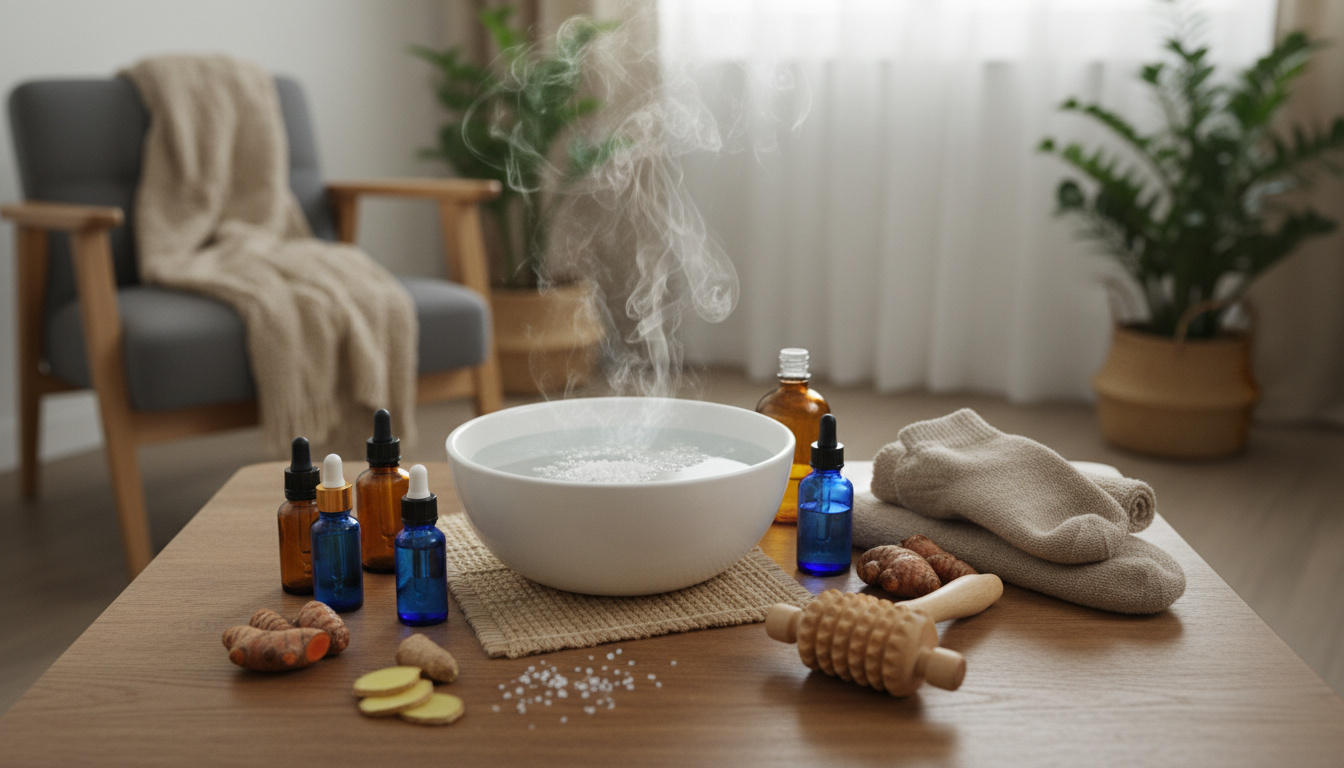

Bunions represent one of the most common foot deformities, affecting approximately one in three adults over age 65. These bony protrusions develop at the base of the big toe when the first metatarsal bone shifts outward, causing the phalange to angle inward. While the structural changes involve permanent alterations to the joint alignment, many individuals seek non-surgical approaches to manage discomfort and prevent progression.
Natural management strategies focus on symptom relief rather than anatomical reversal. Conservative treatments target inflammation reduction, pain management, and mechanical support to slow further deformity. Evidence indicates that while these methods cannot restore bone position, they significantly improve quality of life for those avoiding or delaying surgical intervention.
Can You Shrink Bunions Naturally?
Toe spreads, marble pickups, and towel scrunches strengthen intrinsic foot muscles and improve joint mobility without altering bone structure.
Wide toe box shoes and low heels reduce lateral pressure on the metatarsophalangeal joint, preventing further displacement.
Ice therapy reduces inflammation while Epsom salt soaks ease soft tissue discomfort through magnesium absorption.
Orthotics and bunion pads redistribute weight away from the deformity, cushioning the protrusion against friction.
- Bunions involve permanent bone displacement that natural treatments cannot reverse without surgical intervention
- Conservative care focuses on symptom management and progression slowing, not physical size reduction
- No systematic reviews or clinical studies confirm the efficacy of natural bunion reversal methods
- Early intervention with mechanical support yields superior outcomes for pain control and function preservation
- Protective pads and gel sleeves cushion the area but do not alter underlying bony anatomy
- Topical applications and essential oils provide temporary comfort without structural modification evidence
- Persistent pain or functional limitation requires professional podiatric evaluation beyond home measures
| Fact | Details |
|---|---|
| Definition | Bony bump at base of big toe from misaligned metatarsophalangeal joint |
| Prevalence | Affects up to 35% of adults over 65, significantly more common in women |
| Primary Causes | Genetic predisposition, narrow footwear, arthritis, biomechanical stress |
| Structural Reality | Permanent bone and soft tissue changes; conservative care manages symptoms only Mayo Clinic |
| Risk Progression | Tight shoes and high heels accelerate deformity worsening over time |
| Surgical Threshold | Considered when pain persists despite conservative measures or daily function becomes limited |
What Exercises Help Reduce Bunion Size?
Targeted physical therapy strengthens foot musculature and maintains joint mobility. However, exercises address soft tissue function rather than reducing the bony protrusion itself. Clinical guidelines emphasize that movement protocols cannot reverse structural deformity.
Toe Stretches and Alignment Techniques
Gently pulling the big toe into proper alignment and holding for 10 seconds helps maintain flexibility. These stretches reduce stiffness and improve range of motion but do not reposition the metatarsal bone.
Strengthening Routines
Towel scrunches performed while seated, marble pick-ups using the toes, and repetitive toe curls build intrinsic foot strength. Stronger muscles provide better structural support to the forefoot, potentially slowing further deviation and reducing pain during ambulation.
Practice Recommendations
Daily performance optimizes neuromuscular benefits. Consistency over weeks and months proves essential; sporadic practice yields minimal functional improvement. Rest periods prevent overuse injuries when initiating new routines.
Foot exercises require daily commitment over several weeks to achieve measurable mobility benefits. Sporadic practice yields minimal results for bunion symptom management.
Best Natural Remedies and Home Treatments for Bunions
Home-based interventions provide accessible symptom management through thermal, topical, and nutritional approaches. These methods address inflammation and discomfort without altering the fixed bone deformity.
Thermal Therapy Applications
Cold therapy constricts blood vessels, reducing swelling and numbing acute pain. Application of ice packs or frozen cup massage for 5-20 minutes once or twice daily, particularly after activity, provides anti-inflammatory effects. Heat therapy improves circulation for muscle cramping but does not address the underlying bunion structure.
Topical Treatments and Soaks
Epsom salt soaks in warm water provide magnesium absorption that may ease soft tissue soreness when performed for 15-20 minutes several times weekly. Herbal additions like chamomile offer anti-inflammatory comfort. Turmeric paste applications, cayenne-ginger compresses, and lavender-flaxseed oil massages provide temporary topical relief but lack clinical evidence for structural modification.
Dissolve Epsom salts in warm water and soak feet for 15-20 minutes several times weekly. This addresses soft tissue discomfort, not bunion bone structure.
Avoid forceful massage or attempts to crack the toe joint. Aggressive manipulation can worsen soft tissue damage and increase inflammation around the bunion.
Dietary Considerations
Anti-inflammatory foods containing turmeric, ginger, omega-3 fatty acids from sources like salmon, and antioxidant-rich berries may reduce systemic inflammation contributing to joint pain. Nutritional approaches serve as adjuncts to mechanical treatments but do not alter the fixed bone deformity.
What Shoes and Orthotics Help Manage Bunions?
Mechanical support through footwear and devices represents the cornerstone of conservative management. These interventions redistribute pressure and protect the protrusion from external irritation.
Footwear Selection Criteria
Shoes featuring wide toe boxes prevent compression and halt mechanical progression. Professional fitting services identify appropriate lasts that accommodate the deformity without causing lateral pressure. Narrow styles and high heels exacerbate angulation forces and accelerate worsening.
Protective Devices and Splints
Silicone gel sleeves and bunion pads cushion the protrusion, reducing friction against footwear during ambulation. Night splints may ease pressure during rest periods but lack evidence for achieving long-term structural straightening or size reduction.
Supportive Inserts
Custom or over-the-counter orthotics redistribute weight away from the medial forefoot. Arch supports alter biomechanical forces during gait but cannot reverse existing bony deformity or restore joint alignment.
Seek trained footwear specialists who understand bunion biomechanics. Proper measurement and width assessment prevent further joint stress more effectively than standard retail sizing.
How Long Does It Take to See Results from Natural Methods?
- Weeks 1-2: Initial pain relief emerges from ice therapy and footwear modifications. Swelling begins decreasing with consistent cold application and elevation. Clinical observations indicate early symptomatic response.
- Months 1-3: Reduced inflammation and improved toe mobility manifest through daily exercise adherence. Soft tissue flexibility increases, though bone position remains unchanged.
- Months 3-6: Progression slowing becomes apparent with consistent mechanical support usage. Stabilization of deformity advancement represents the primary measurable outcome rather than size reduction.
- Ongoing: Continuous maintenance required indefinitely. Evidence suggests cessation of conservative measures typically results in symptom recurrence.
What Can Natural Treatments Actually Achieve?
| Established Outcomes | Unproven or Unclear Claims |
|---|---|
| Exercises reduce pain and improve joint mobility through muscle strengthening | Essential oils dissolving or shrinking bony deformities |
| Ice therapy reduces inflammation and swelling via vasoconstriction | Dietary changes reversing structural bone displacement |
| Proper footwear prevents worsening and reduces pressure points | Specific timeline guarantees for bunion size reduction |
| Orthotics redistribute pressure away from the affected joint | Natural remedies fully correcting severe deformities |
| Bunion pads protect against friction and secondary skin irritation | Home treatments eliminating the need for surgical consultation |
What Causes Bunions and Why Do They Form?
Bunions develop from complex interactions between genetic predisposition and mechanical factors. Inherited foot structures create inherent vulnerability, while prolonged use of narrow footwear or high heels accelerates the metatarsophalangeal joint displacement. Arthritis and inflammatory conditions further compromise joint integrity. Understanding these origins clarifies why lifestyle modifications address symptoms without altering established bone architecture. Individuals exploring comprehensive health optimization might examine various wellness strategies. Is Fasting Good for You offers perspective on metabolic health approaches.
The deformity involves permanent soft tissue and bone changes. Once the metatarsal head shifts laterally and the toe angles medially, conservative measures cannot restore anatomical position. This biological reality explains why natural treatments focus on functional improvement rather than structural reversal.
Expert Perspectives on Natural Bunion Management
Bunions cannot be reversed or shrunk naturally without surgery, as they involve permanent structural changes to the big toe joint, but conservative treatments like footwear changes, pads, exercises, ice, soaks, and anti-inflammatory remedies can reduce pain, inflammation, and slow progression.
— Mayo Clinic Clinical Guidelines
No results from major medical institutions or systematic reviews confirm reversal; conservative care provides symptomatic relief per podiatry sources.
— Bunion Institute Clinical Analysis
Key Takeaways on Managing Bunions Without Surgery
Natural bunion management delivers pain relief and functional improvement without addressing the underlying bone deformity. Successful strategies combine appropriate footwear, targeted exercises, thermal therapy, and protective padding. Consistent application over months stabilizes symptoms and slows progression, though surgical consultation becomes necessary for persistent pain or functional limitation. UK residents seeking NHS podiatric care should verify their patient identification details. Learn more: What Is My NHS Number.
Frequently Asked Questions
Do bunion pads work to shrink bunions?
No. Bunion pads cushion the protrusion and reduce friction against shoes, but they do not alter the bone structure or reduce bunion size.
Can essential oils help with bunions?
Essential oils like lavender or tea tree may provide temporary soothing and anti-inflammatory comfort, but they cannot shrink or reverse the bony deformity.
What home remedies relieve bunion pain?
Ice application, Epsom salt soaks, toe stretches, and wide-toe-box footwear provide effective pain relief and inflammation reduction.
Can losing weight help shrink bunions?
Weight reduction decreases mechanical pressure on the forefoot, potentially slowing progression and reducing pain, but it does not reverse existing bone displacement.
Are night splints effective for bunion correction?
Night splints may ease pressure and provide comfort during sleep, but they lack evidence for achieving long-term toe straightening or size reduction.
Is it safe to exercise with bunions?
Yes, gentle stretching and strengthening exercises are safe and beneficial. Avoid high-impact activities that cause sharp pain or force the joint unnaturally.
When should I stop home treatment and see a doctor?
Seek professional evaluation if pain persists despite conservative measures, walking becomes difficult, or the toe joint loses mobility entirely.
Related stories





Adam Pryor is Managing Editor at StoryNative.uk, running the daily news list, the publishing schedule and newsroom workflow.