
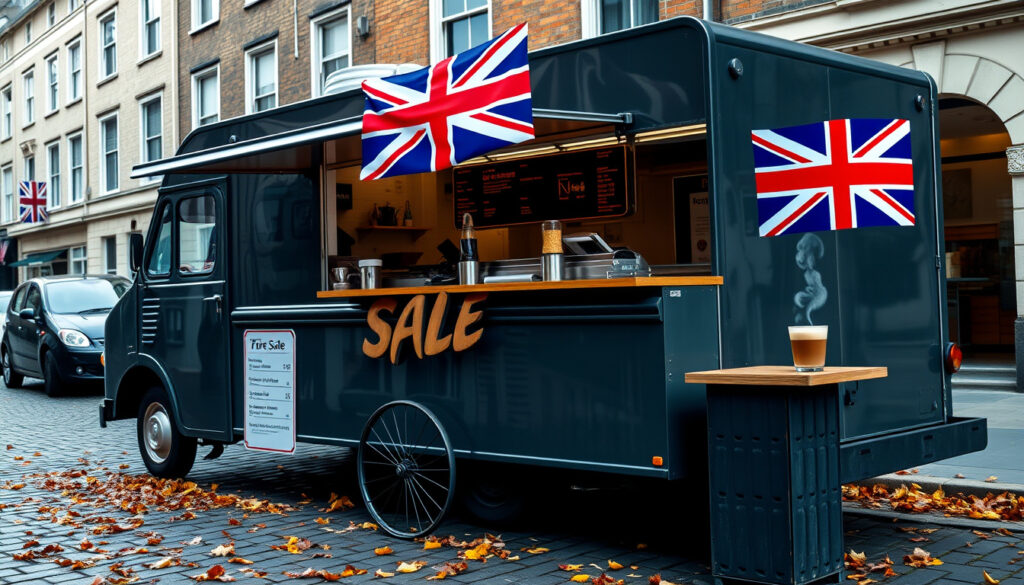
The UK food truck scene has grown steadily over the past decade, moving from a festival novelty to a mainstream catering option. Whether you are looking to buy, hire, or start a mobile food business, understanding the costs, licences, and practicalities is essential. This guide draws on multiple industry sources to give you a clear picture of what to expect.
Where Can I Find Food Trucks for Sale?
- The most common entry point is a used vehicle from Gumtree or Autotrader.
- London has the highest concentration of food trucks but also the strictest permit rules.
- Hiring a food truck is a viable low-risk way to test the market before buying.
- Many first-time buyers underestimate insurance and generator costs.
- Used food trucks from specialist dealers often come with certified kitchens, saving time on retrofitting.
- Private listings on eBay and Facebook Marketplace can be cheaper but require thorough inspection.
- Some commercial vehicle auctions regularly feature ex-catering vans worth investigating.
| Fact | Detail |
|---|---|
| Price range used | £5,000–£20,000 (UK) |
| Price range new | £40,000–£150,000 (UK) |
| Avg. build time | 4–12 weeks for custom |
| Key licences | Food hygiene, street trading, waste carrier, vehicle insurance |
| Used conversion cost | £10,000–£30,000 |
| Gas safety cert (annual) | £155–£500 |
| Public liability insurance | £150–£1,000 per year |
| Street trading licence (London) | £54–£3,000 per year |
| Food business registration | Free (mandatory) |
| Typical startup budget | £12,000–£80,000 |
What Are the Best Platforms to Buy a Used Food Truck?
Gumtree and Autotrader are the most popular general marketplaces, but specialist sites such as Truck1 and MobCater list vehicles with verified kitchen specifications. Frymax’s cost guide notes that prices on these platforms vary widely, so comparing multiple listings is wise.
Are There Food Trucks for Sale on Autotrader or Gumtree?
Yes. Both platforms carry used food trucks, often listed under “vans” or “catering vehicles.” However, the quality of information varies. Some sellers provide full details of the kitchen fit-out and gas safety certificates, while others offer only basic descriptions. A vehicle that looks cheap may need significant work to meet trading standards.
What Should I Inspect Before Buying a Used Food Truck?
Check the age and mileage of the base vehicle, the condition of the kitchen equipment, and whether the gas and electrical installations have current certification. Ask for proof of compliance with the Food Standards Agency’s hygiene rating scheme. Also examine the bodywork for rust, especially around the serving hatch, and test all appliances. A cheap van that requires substantial conversion can quickly erase any apparent savings.
Before buying a used food truck, verify: vehicle MOT and service history, kitchen gas safety certificate (annual), electrical installation certificate, waste disposal setup, and proof of food hygiene training. Many sellers share these documents if the truck has been trading legally.
How Much Does a Food Truck Cost?
Costs vary dramatically depending on whether you buy used or new, and what level of equipment you need. A used basic setup can start around £1,000–£10,000, while a new fully fitted truck often lands between £5,000 and £50,000. Some premium builds reach £40,000–£150,000 or more, according to industry guides.
What Is the Price Range for a New vs Used Food Truck?
Used food trucks are commonly priced between £3,000 and £20,000 for older or simpler vehicles. New or fully fitted trucks typically cost £5,000–£50,000, with high-spec custom builds quoted at £40,000–£150,000+. Conversion costs for a bare van add £10,000–£30,000 in many cases.
What Are the Hidden Costs of Running a Food Truck?
Beyond the purchase price, budget for gas and electrical safety certification (£155–£500 per year), public liability insurance (£150–£1,000), street trading licence fees (£100–£3,000 depending on the council), and food hygiene training (free to £150). If you handle higher-risk foods, an FSA advisory visit costs around £395.40. Many operators also spend on generator maintenance, waste disposal, and pitch fees.
Most operators spend between £12,000 and £80,000 before trading. A more realistic budget for a properly equipped used truck is £25,000–£50,000. Leasing or renting can reduce the upfront lump sum to around £15,000–£20,000 including deposits.
What Are the Licensing Requirements for a Food Truck in the UK?
You must register your food business with the local authority at least 28 days before trading. Registration is free but mandatory. A street trading licence is often required, with fees varying by council: for example, £54 for six months in Haringey, while some councils charge nothing or up to £3,000 per year.
Do I Need a Food Hygiene Certificate for a Food Truck?
Yes. Most local authorities require a food hygiene certificate (Level 2) for the person in charge. Courses can cost from free to about £150 depending on the provider. If you serve high-risk foods like meat, fish, eggs, or dairy, your truck may need food premises approval and an inspection.
What Permits Are Required in London?
London boroughs have their own street trading rules. You typically need a licence from the specific borough where you intend to trade, plus compliance with Transport for London’s emission standards (ULEZ/LEZ). Many trucks now require electric or hybrid power units to avoid daily charges.
Do I Need a Special Driver’s Licence for a Food Truck?
A standard UK Category B licence covers vehicles up to 3.5 tonnes. If your fully loaded food truck exceeds that weight, you will need a Category C1 licence. Weigh your vehicle with a full tank of water, all equipment, and stock before assuming it falls under the standard limit.
Where Can I Hire or Rent a Food Truck?
Hiring a food truck is a growing option for event organisers and aspiring operators who want to test the market. Short-term rental, lease with monthly payments, and rent-to-buy are the three main models. Costs depend on vehicle age, included equipment, mileage, and maintenance terms.
Where Can I Hire a Food Truck for an Event?
Event hire companies, specialist catering agencies, and some food truck owners offer their vehicles for short-term events. Prices vary by region and event size. Some agencies charge a flat daily rate, while others take a percentage of the day’s takings.
Are Food Trucks Available for Rent in Atlanta or the UK?
In the UK, rental availability is strongest in London, Manchester, and festival hubs. The US market is more established, with Atlanta having a particularly active food truck rental scene. UK options are growing but still less standardised. A rental deposit of £15,000–£20,000 is sometimes required to cover the vehicle and equipment.
What Is the Cost to Rent a Food Truck Per Day?
There is no published standard rate. Day rates can range from £150 for a basic trailer to £500+ for a fully equipped truck with staff. Lease agreements typically involve monthly payments that vary by vehicle and duration. Renting is a low-risk way to test the business before committing to a purchase.
How Do I Start a Food Truck Business?
Begin by researching your local market and choosing a cuisine that travels well. Next, decide whether to buy or hire a vehicle. Register your food business with the council, obtain a street trading licence, and complete a food hygiene course. Then equip your truck with cooking, refrigeration, and safety gear. The How to start a mobile food business guide covers the steps in more detail.
What Are the First Steps to Starting a Mobile Catering Business?
Write a business plan, secure funding, and choose a vehicle that suits your budget and menu. Budget for all the permits and insurance before you buy. Location is critical – research which markets, festivals, or high streets accept food trucks and what their pitch fees are.
How Do I Choose a Location for My Food Truck?
Look for areas with high foot traffic and limited competition. Check local council rules on street trading hours and permitted zones. Many operators start at farmers’ markets, corporate events, or festival sites before building a regular route.
What Equipment Do I Need in a Food Truck?
At minimum: a cooking appliance (gas or electric), refrigeration, a sink with hot running water, a fire extinguisher, and a gas safety certificate. Some trucks also require a generator, extraction hood, and waste water tank. The UK street trading licence guide explains which equipment is mandatory in your area.
Emission zones are expanding. If you plan to trade in London, Birmingham, or other cities with Clean Air Zones, a diesel truck built before 2016 may incur daily charges. Electric or hybrid conversions are becoming more common, but conversion costs remain high.
The Evolution of Food Trucks in the UK
- 2008–2010: Early adoption from US trend to UK festivals.
- 2012–2015: Rapid growth via social media (Twitter/X food truck mapping).
- 2016–2020: Regulation tightening, London licensing rules introduced.
- 2021–2025: Post-COVID surge in mobile catering, rise of food truck hire for events.
What Is Certain and What Remains Unclear About Food Truck Costs?
| Established information | Information that remains unclear |
|---|---|
| Used food truck prices range broadly from £5k to £20k. | Exact costs of hiring a food truck vary by region and event size. |
| You need a food hygiene certificate and street trading licence in most UK areas. | New food truck build times depend heavily on the builder. |
| Gumtree and Autotrader list many used food trucks but require careful inspection. | Future regulation changes (e.g., ULEZ, emission zones) may affect operations. |
What Is the Broader Context of the UK Food Truck Market?
Food trucks are increasingly popular in the UK, but buying one requires careful financial and legal planning. There is a strong split between professional operators who commission custom builds and hobbyists who start with a used van. Hiring is under-covered in current search results, representing a key content gap. As the market grows, rental agencies and digital food truck finder apps are likely to become more common.
What Do the Sources Say About Food Trucks?
“A food truck is a large vehicle equipped to cook and sell food… Some modern day food trucks have evolved into gourmet food trucks serving high-end cuisine.”
“The cost of a food truck in the UK can range from £5,000 to over £150,000 depending on the size, equipment, and whether it is new or used.”
“You must register with the local authority at least 28 days before you start trading… Street trading licences are issued by the council and fees vary.”
What’s Next for the Food Truck Industry?
Expect more electric food trucks as ULEZ expands. Rental agencies are likely to grow as event catering demand rises. Digital food truck finder apps may replace social media location sharing, making it easier for customers to find nearby trucks. For now, the best advice is to start with a clear budget, inspect thoroughly, and understand the licensing landscape before you buy.
Frequently Asked Questions
What is the difference between a food truck and a catering van?
A catering van is often a converted van; a food truck typically refers to a purpose-built or heavily customised vehicle with a serving hatch and fitted kitchen.
How popular are food trucks in the UK?
Moderate and growing, with strong presence at festivals, markets, and city centres. Search volume for “food truck near me” is stable.
Can I buy a food truck for under £5,000?
Yes, but these are often older vans or trailers that may require significant repairs or retrofitting.
How long does it take to build a custom food truck?
Build times vary from 4 to 12 weeks depending on the complexity of the kitchen and the builder’s workload.
Do I need a waste carrier licence for a food truck?
Yes, if you produce waste oil or food waste, you may need to register as a waste carrier with the Environment Agency.
What is the typical daily revenue for a food truck?
Revenue varies enormously by location, menu, and season. Some operators report £200–£1,000 per day, but this is not guaranteed.
Can I use a standard car to tow a food trailer?
Yes, if the trailer’s weight is within the vehicle’s towing capacity and you have the correct licence category for the combined weight.
Are food trucks allowed in all London boroughs?
No. Each borough sets its own street trading rules. Some allow food trucks only in designated zones, while others restrict them entirely.
Related stories





Adam Pryor is Managing Editor at StoryNative.uk, running the daily news list, the publishing schedule and newsroom workflow.